
Chess Topics: Strategy, Openings and How to Improve
This Chess Topics hub is a structured route through the main skills needed to improve: rules, tactics, calculation, strategy, openings, endgames, game analysis, psychology, ratings, and interactive training.
Questions answered on this page
Choose the exact question or learning route you need. FAQ links open the matching answer automatically.
- What should I study first in chess?
- What is the best way to get better at chess?
- Why am I not improving at chess?
- How do I stop one-move blunders?
- How do I calculate better in chess?
- What is the best chess strategy?
- What is the best chess opening for beginners?
- What endgames should beginners learn first?
- Which interactive chess tools can I use?
- Which learning path matches my level?
- Where can I look up chess terms?
- Which famous games and players should I study?
Chess Study Route Adviser
Choose your level, biggest problem, available time, and preferred way to train. The adviser gives one focused route instead of another long list.
The Focused Improver
Focus Plan: Fix one repeat weakness with one guide and one short practice block.
Quick Answers: Chess Questions, Rules & Ratings
Jump to practical question hubs, resolve exact rule disputes, or understand ratings, records and chess facts.
Explore broad “Is chess...” questions about learning, memory, tactics, strategy, creativity, stress, AI, luck, and whether chess is solved.
Explore general questions Chess Stats & Trivia QuestionsAnswer “how many,” “how long,” shortest, longest, average, record, board-size, timing, and measurement questions with focused mini-guides.
Explore chess stats Chess Tactics QuestionsFind practical answers about forks, pins, skewers, discovered attacks, forcing moves, sacrifices, checkmate patterns, and tactics training.
Explore tactics questions Chess Rules FAQ GuideResolve exact questions about legal moves, kings, check, castling, en passant, promotion, draws, clocks, and unusual edge cases.
Resolve a rule Chess Ratings & Titles QuestionsUnderstand Elo, skill levels, rating changes, online versus FIDE ratings, accuracy, titles, progress, and personal benchmarks.
Explore ratings & titles Online Chess QuestionsAnswer practical questions about online ratings, accuracy, blunders, tilt, fair play, time controls, engines, mouse slips, lag, and improvement.
Explore online chess Magnus Carlsen QuestionsAnswer common questions about Carlsen’s status, records, openings, playing style, rivalries, training, biography, business and famous games.
Explore Carlsen questions⭐ Essential Chess Skills
Strong chess improvement usually comes from mastering a few core skills: calculation, visualization, decision making, and accurate evaluation. These abilities influence every phase of the game.
- Chess Calculation Guide Learn a practical process for candidate moves, forcing lines, and blunder checking.
- Chess Visualization Guide Train board vision so you can calculate moves clearly without losing track of the position.
- Chess Decision Making Guide Build a repeatable thinking process to choose strong moves under real game pressure.
- Chess Position Evaluation Guide A simple checklist to judge positions and form clear strategic plans.
- Avoid Chess Blunders Guide Reduce simple mistakes with practical safety checks and better board awareness.
Core Chess Guides (Essential Foundations)
These core guides cover the essential skills, principles, and thinking habits that apply to every chess game — regardless of rating or time control.
New to chess or feeling lost? Follow a structured, step-by-step path covering rules, blunder prevention, tactics, simple openings, and basic endgames — in the right order.
Start here Chess Improvement GuideA practical roadmap to real rating progress: diagnose weaknesses, build a training routine, review games properly, and follow focused 2–4 week study paths for fast improvement.
Start improving Chess Skills GuideA complete skills hub covering tactics, calculation, visualization, strategy, endgames, psychology, and more — start here to build a solid all-round foundation.
Open skills hub Chess TacticsLearn key tactical patterns used in real games — forks, pins, skewers, discovered attacks, deflection, and mating ideas.
Explore tactics Tactics TrainingBuild tactical vision fast with a practical puzzle routine: scan targets, find forcing moves, calculate the critical line, verify defenses, and review misses so it transfers into real games.
Train tactics Checkmate PatternsLearn the most important checkmating patterns: back-rank, smothered mates, boxed kings, classic named mates, and how to finish attacks cleanly without stalemating.
Learn checkmates Chess CombinationsLearn how combinations actually work — forcing sequences built from checks, captures, and threats. Train calculation discipline and see how strong players convert pressure into concrete results.
Study combinations Checks & Forcing MovesLearn what to do when checked, how to spot forcing moves early, and how to use checks to gain tempo, simplify safely, or launch attacks. The quickest way to switch into calculation mode.
Master forcing moves Winning SacrificesMaterial is relative. Learn the art of the winning sacrifice—master the Exchange Sac, the Greek Gift, and the "Desperado" to crush safe players.
Master the sacrifice Chess CalculationStop guessing. Learn a practical calculation process: safety scan, candidate moves, forcing lines, and a final blunder check — then evaluate the result.
Master calculation Position EvaluationLearn a simple 5-part evaluation checklist (Material, King Safety, Activity, Pawn Structure, Plans) so you can judge who is better and choose the right plan in real games.
Evaluate positions Chess Engine Analysis (Stockfish)Stop letting computers make you lazy. Learn how to read engine evals (+1.2, mate threats), translate lines into human plans, and avoid common engine-training traps.
Use engines properly Chess ImbalancesLearn how to compare positions using key imbalances (minor pieces, space, structure, king safety, initiative, rook activity, material quality) so you can form a clear plan instead of playing random moves.
Choose a plan Chess StrategyLearn how to form clear plans, identify targets, improve pieces, prevent counterplay, and convert advantages with confident long-term decision-making.
Learn strategy Chess EndgamesMaster practical endgame technique: activate the king, simplify with purpose, convert winning positions, and save worse ones — with must-know rook endgame patterns.
Master endgames Space AdvantageLearn how to use space without overextending: restrict opponent counterplay, choose the right pawn breaks, and escape cramped positions calmly and effectively.
Use space better Chess VisualizationDoes the board get blurry when you calculate? Stop the "Fog of War" using the Stepping Stone method to see moves clearly without losing track.
See the board clearly Punishing Chess MistakesStop missing wins. Learn the “Forcing Alarm” system: spot loose pieces, king exposure, and alignments after every opponent move — then calculate forcing moves to cash in.
Exploit mistakes Tactical AlertnessLearn how to recognize when a position demands calculation. Spot loose pieces (LPDO), king exposure, overloaded defenders, alignment patterns, and tactical tension so you switch into calculation mode at the right moment.
Spot tactics sooner Avoiding BlundersPractical methods to reduce blunders, improve board vision, and make your chess more reliable at every time control.
Reduce blunders Stop Hanging PiecesTired of losing pieces for free? Learn a simple 5-second safety scan to prevent hanging pieces, fix loose-piece habits, and build reliable board awareness (0–1600).
Stop free losses Threats & Safety CheckStop missing simple dangers. Learn a 10-second safety scan to spot checks, captures, loose pieces, and tactical threats before you move — especially under time pressure.
Spot threats faster King SafetyPractical king safety rules for real games — when to castle, when to delay, how pawn moves create weaknesses, how to avoid castling into an attack, and how to defuse threats before they explode.
Protect your king ProphylaxisLearn how strong players prevent problems before they happen: spot your opponent’s plan, stop key breaks and piece routes, reduce counterplay, then improve your position safely.
Stop threats early Weak Squares & OutpostsLearn how pawn moves create permanent holes, how to establish strong outposts (especially knights), and how color complexes collapse around the king — turning structure into lasting advantage.
Exploit weak squares Defense & CounterattackLearn practical defence under pressure: stop forcing threats, stabilize, simplify when it kills the attack, then counterpunch at the right moment.
Learn defense Chess CounterplayLearn how to generate counterplay when worse or under pressure: create threats, activate pieces, force complications, and turn passive defense into practical chances.
Create counterplay Resilience & ComebacksLearn how to fight back when worse: defensive resourcefulness, drawing tricks, swindles, and counterplay ideas — so one mistake doesn’t end the game.
Fight back Initiative & MomentumLearn how to recognize and use the initiative: tempo, forcing threats, and king safety. Understand when time matters more than material — and how to convert momentum into lasting advantage.
Seize the initiative Attacking ChessStop launching unsound attacks. Learn the prerequisites (development, king targets, piece count), how to build pressure, and how to convert initiative into a real attack without hanging pieces.
Build winning attacks Converting Winning PositionsStop throwing wins. Learn how to reduce counterplay, simplify correctly, keep control under nerves/time pressure, and convert advantages into full points.
Finish games cleanly SimplificationLearn when to simplify to convert advantages, defuse attacks, or reduce risk. Understand queen trades, piece exchanges, and how reducing complexity turns chaos into clarity.
Simplify correctly Chess Decision MakingLearn how strong players choose moves: safety checks, candidate moves, calculation control, simplification, defense, and psychology. Build a repeatable thinking process that works in real games.
Improve decisions Thinking Process (Every Move Loop)A repeatable move-by-move thinking loop: safety scan, 2–3 candidate moves, targets & priorities, evaluation, and calculation discipline — designed for practical play (0–1600).
Build the loop Stop Playing Hope ChessTired of playing moves and hoping they work? Learn how to stop trap-based thinking, anticipate opponent replies, use prophylaxis, and replace reactive play with a clear, repeatable decision process.
Think proactively Move OrderingLearn how small changes in move order prevent counterplay, improve coordination, and avoid tactical problems. The right idea played in the wrong sequence often fails.
Fix your sequence Strong Moves (Multipurpose Thinking)Want to play “strong moves” more often? Learn multipurpose thinking: choose moves that improve your position while defending, preventing counterplay, or creating a threat — all in one turn.
Learn strong moves Practical Chess HabitsStop blundering and play more consistent chess with a simple routine: safety scan, candidate moves, evaluation check, and plan selection — built for 0–1600.
Build habits Practical ChessLearn how to choose moves that win real games: simplify when ahead, complicate when behind, manage the clock wisely, and pick moves that are easier for you than your opponent.
Play more practically Chess Time ManagementStop losing winning games on the clock. Learn practical time rules, when to calculate, when to simplify, and how to avoid tilt-driven time trouble.
Manage your clock Tilt & Emotional ControlStop emotional collapse after losses. Learn reset rules, cooldown strategies, and how to prevent frustration from turning one mistake into five lost games.
Stop tilt Handling Chess PainRating drop? Bad tournament? Got swindled from winning — or rattled by an obnoxious opponent? Learn a structured recovery framework to reset, separate identity from rating, rebuild confidence, and return stronger.
Recover & rebuild Chess Opening RebootStop panicking when opponents play “weird” moves. Learn a low-maintenance opening approach based on systems, pawn structures, and plans — ideal for 0–1600 and faster time controls.
Rebuild your openings Chess Opening Repertoire GuideConfused what to play as White and Black? Learn how to build a simple, low-maintenance repertoire based on principles, plans, and typical structures — not memorising endless lines.
Choose your openings Chess PrinciplesPractical principles for every phase of the game — openings, middlegames, endgames, plus piece-specific guides for pawns, knights, bishops, rooks, queens and kings.
Browse principles Opening PrinciplesStop getting bad positions early. Learn the practical opening checklist: develop with purpose, control the centre, keep your king safe, and avoid early queen adventures — without memorising theory.
Learn the checklist Central ControlLearn why control of the centre is the foundation of strong chess. Understand when to occupy it with pawns, when to control it with pieces, and how to punish flank attacks.
Control the centre Opening Mistakes (What to Avoid)Stop losing in the first 10 moves. Learn the most common opening errors — early queen moves, wasting tempi, neglecting king safety, greedy pawn grabs, and blocking your own development (0–1600).
Avoid early mistakes Opening → Middlegame TransitionStop drifting after move 10–15. Learn to recognize when development is “done”, reassess imbalances, choose a plan, and shift from opening rules to middlegame thinking.
Switch gears Chess Openings ExplainedExplore specific openings, common systems, model games, and practical repertoire ideas — so you know what to play as White and Black without drowning in theory.
Explore openings Essential Chess GlossaryClear explanations of the most important chess terms, tactics, and ideas — from pins, forks, and discovered attacks to zugzwang, prophylaxis, and endgame concepts.
Explore the glossary Chess NotationLearn algebraic chess notation: coordinates (a1–h8), piece letters, captures, checks, castling (O-O), en passant, and promotion (=Q) — so you can read books, PGNs, and analysis.
Learn notation🚀 Start Here: What Should I Study?
With so much to learn, choosing the right starting point is the first step to efficient improvement. Pick the option that best matches where you are right now.
- Chess for Beginners (Step-by-Step Roadmap) Rules → stop blunders → tactics → openings → endgames → game review, in the right order.
- Chess Notation Guide Learn coordinates and algebraic notation so you can read games, PGNs, and lessons.
- Avoid Chess Mistakes (0–1200) Stop losing “good” games to bad decisions, missed threats, unsafe kings, and poor exchanges.
- Threats & Safety Check (Stop Missing Dangers) A fast scan for checks, captures, loose pieces and forks — so you stop walking into tactics (0–1600).
- Chess Mental Checklist (Before Every Move) A simple move-by-move routine: “What changed?”, threats, loose pieces, candidate moves — stop tunnel vision and blunders.
- Practical Chess Habits (Stop Random Play) A safe thinking routine for every move: safety scan, candidate moves, evaluation check, and plan selection (0–1600).
- King Safety (Stop Getting Mated) Castle safely, avoid pawn weaknesses, spot typical mate threats early, and learn simple defence rules when your king is under pressure.
- Prophylaxis (Stop Counterplay Before It Starts) Anticipate your opponent’s ideas, prevent key pawn breaks and piece routes, and keep control while you improve your position safely.
- Middlegame Planning (Stop Drifting) What to do when there are no tactics? Use the “3-Question Algorithm” to find improving moves.
- Opening Principles (Stop Getting Bad Positions Early) The golden rules: develop, control the centre, king safety, and avoid time-wasting moves.
- Opening Reboot (Stop Memorising) Build a practical repertoire based on systems and plans — so early deviations stop causing panic.
- Opening Repertoire (What Should I Play?) Choose practical openings for White and Black that match your style and avoid theory overload.
- Chess Gambits Guide (Aggressive Opening Path) Prefer sharp tactical games? Explore classic gambits and learn which ones are practical versus purely risky.
- Italian Game Guide (Simple 1.e4 Opening) A classic beginner-friendly e4 opening with clear plans — quiet or aggressive depending on your style.
- London System Guide (1.d4 Nf6 2.Bf4 or 1.d4 d5 2.Bf4) The ultimate “Anti-Theory” opening. Learn one solid setup that works against almost everything Black plays.
- Chess Plateau Guide (1000–1400) Stuck at the same rating? Diagnose what’s holding you back — and fix the 1–2 leaks that stop progress.
- Handling Chess Pain (Rating Drops & Confidence Recovery) A structured recovery plan after a bad loss or tournament: reset, contain spirals, handle obnoxious opponents, rebuild confidence, and return stronger.
- Punishing Mistakes Missed a win? Use a simple trigger system to know when to calculate — and punish errors fast.
- Chess Tactics Training (15–30 min routine) A practical loop to build tactical vision: forcing moves, calculation, verification, and review.
- Tactical Alertness (Know When to Calculate) The trigger system: CCT scan, loose pieces (LPDO), alignment, king exposure, and exchange warnings — so you stop drifting and spot tactics sooner.
- Chess Study Plans by Rating A clear roadmap from Beginner to Expert (0–2200+).
- Chess Training Plans Ready-made daily, weekly & monthly templates.
- Adult Improvers How to improve at chess when time is limited.
- Online Chess Guide Formats, ratings, fair play, tilt control, and practical online habits.
- A Guide to Chess Technology Engines, databases & online tools.
🧠 Chess Training Tools (Interactive)
Welcome to the Chess Brain Gym – stop passively reading and train by doing. Use these interactive tools to sharpen visualization, practice prophylaxis, or play full games against a modern AI engine.
- ⚔ Safety Check
- 🔓 Loose Piece Hunter
- 🎯 Killer Squares
- 🤖 Play vs Computer (No Download)
- ♟️ Magnus Carlsen Miniatures – Interactive Replays + PGN
🔄 The Game Lifecycle: Preparation, Play & Analysis
Master every stage of the chess encounter – before, during, and after your games.
Phase 1: Before the Game (Preparation)
Phase 2: During the Game (Execution)
- The Opening: Openings Explained Opening choices, common systems, and practical repertoire guidance — without drowning in theory.
- Chess Gambits Guide (Sound vs Unsound) Aggressive opening ideas, classic gambits, and when sacrificing a pawn is practical — plus how to avoid falling into unsound traps.
- Italian Game Guide (1.e4 e5 2.Nf3 Nc6 3.Bc4) A practical roadmap for the Italian: Giuoco Piano ideas, Two Knights choices, Evans Gambit option, and common traps — without memorising theory.
- Opening Principles Guide (No Memorisation) A practical checklist: develop with purpose, control the centre (pawns or pieces), keep the king safe, and avoid early queen adventures.
- Opening Mistakes Guide (What to Avoid) The negative checklist for the first 10 moves: early queen adventures, wasted tempi, king safety neglect, greedy pawn grabs, and self-blocking development (0–1600).
- Opening → Middlegame Transition Guide When the opening is effectively over: recognize the shift, evaluate imbalances, pick a plan, and avoid drifting or losing momentum (especially move 8–15).
- London System Guide A solid, low-theory system for White (1.d4 Bf4) that relies on plans rather than memorization.
- The Middlegame: Planning & Strategy How to formulate a plan when the opening ends and the real fight begins.
- The Complete Guide to Chess Tactics Spotting the basic patterns: Forks, Pins, Skewers, and counting material.
- Checks & Forcing Moves Guide What to do when checked, how to spot forcing moves early, and how to use checks to gain tempo, simplify safely, or launch attacks.
- Checkmate Patterns Guide Turn attacks into wins: learn the recurring mating nets and simple finishing patterns.
- Attacking Chess Guide How to build real attacks: prerequisites, pressure buildup, forcing moves, and safe conversion.
- Chess Combinations Guide Advanced calculation: putting tactics together into forcing sequences and mating nets.
- Winning Sacrifices Guide The art of giving up material (Greek Gift, Exchange Sacs) to force a win.
- The Endgame: Principles & Technique How to convert an advantage when pieces come off the board (Rook endings, King activity).
- Visualization & Board Vision How to cure "Blurry Board" syndrome and calculate deeper without moving pieces.
- Avoiding Blunders Safety checks and discipline to prevent disasters, especially in time trouble.
- Defense & Counterattack Guide How to survive attacks, reduce counterplay, and strike back at the right moment.
- Converting Winning Positions Guide How to turn advantages into points: simplify safely, stop counterplay, and finish cleanly.
- Chess Draw Rules & Stalemate Guide The 5 main draw rules (stalemate, repetition, 50-move rule, insufficient material, agreement) + how to avoid accidental draws when winning.
- Chess Counterplay Guide Learn how to generate counterplay when worse or under pressure: create threats, activate pieces, and force complications.
- Practical Decision-Making How to make "good enough" moves when the clock is ticking and the position is messy.
- Practical Chess Guide Simplify when ahead, complicate when behind, manage time wisely, and choose moves that are easier for you than your opponent.
Phase 3: After the Game (Growth)
🎓 Strategic Thinking & Decision Frameworks
High-level concepts that shape planning, evaluation, and decision-making in real games.
- Chess Strategy Guide Planning, pawn structures, and long-term advantages.
- Chess Pawn Structures Guide Understanding the "skeleton" of the position — weak squares, open files, and pawn breaks.
- Chess Pawn Breaks Guide When and how to strike: opening lines, freeing your game, and creating passers.
- Chess Piece Activity Guide How to maximize the power of your pieces and turn passive defenders into active attackers.
- Positional Chess Guide Mastering long-term planning, maneuvering, and improving your position incrementally.
- How to Find Strong Chess Moves (Multipurpose Thinking) The real meaning of “strong moves”: improve your position while defending, preventing counterplay, or creating a threat — in one turn.
- Chess Move Ordering Guide Same idea, better sequence: avoid tactical interruptions, prevent counterplay, and improve coordination.
- Chess Initiative & Momentum Guide When time matters more than material: tempo, forcing play, and keeping the opponent reacting.
- Chess Mental Checklist (What to Think Before Each Move) A simple move-by-move thinking routine to stop tunnel vision, avoid blunders, and spot threats and opportunities after every opponent move.
- Exchanging Pieces Guide Knowing when to trade (to simplify or defend) and when to keep the tension.
- Chess Simplification Guide When to trade to convert advantages, defuse attacks, or reduce risk (incl. queen trades).
- Winning Sacrifices Guide The strategy of giving up material to gain time, activity, or a decisive attack.
- Chess Position Evaluation Guide How to judge who is better using a clear checklist: material, king safety, activity, structure, and plans.
- Chess Imbalances Guide How to compare positions and choose a plan (space, structure, piece quality, king safety, initiative).
- Space Advantage Guide How to squeeze with space, avoid overextension, and break free from cramped positions.
- Chess Psychology Guide Managing confidence, tilt, focus, and competitive nerves during games.
- Stop Playing Hope Chess Replace wishful thinking and trap-based play with proactive decision making, opponent awareness, and disciplined blunder checks.
- Tilt & Emotional Control Guide Emergency control: stop losing streaks, rage moves, panic play, and rating freefall.
- Chess Playing Styles Guide Discovering your personal style — are you an attacker, a defender, or a grinder?
♟ Chess Guides for Different Players

Chess is experienced very differently depending on who you are, your background, and your goals. These player-specific guides help you choose the right approach with clarity and confidence.
- Chess for Kids & Parents Guide A calm, parent-friendly guide focused on enjoyment, confidence, learning by age, common mistakes, and fun chess activities.
- Returning to Chess After a Long Break Guide A practical guide to rebuilding confidence, refreshing fundamentals, choosing sensible openings, and adapting to modern online play.
- Adult Beginners Chess Guide A pressure-free guide for adults starting chess later in life, focused on understanding, calm progress, and avoiding memorisation.
- Chess Coaches & Trainers Guide A teaching-focused guide covering lesson structure, student psychology, motivation, and avoiding burnout.
⏱ Chess by Time Control
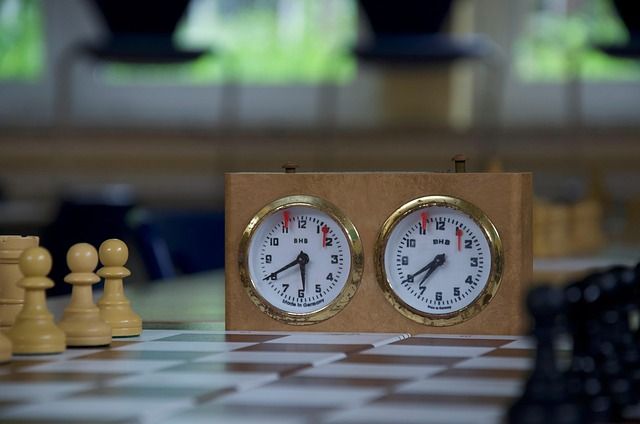
Strategy, psychology, and mistakes change dramatically depending on how much time you have on the clock.
- Rapid & Classical Chess Strategy Guide The thinking sweet spot. Learn to manage time calmly, calculate clearly, and form sound plans.
- Blitz Chess Strategy Guide Time management, practical decision-making, and anti-tilt strategies for 3+0, 3+2 and other blitz formats.
- Bullet Chess Strategy Guide Ultra-fast chess survival — instinct, pattern recognition, pre-move safety, and emotional control.
- Correspondence & Turn-Based Strategy Guide Deep, relaxed chess focused on planning, accuracy, and long-term thinking without clock pressure.
- Chess Time Management Guide Stop losing winning positions on the clock. Learn practical time allocation rules, move budgeting, and how to avoid panic in time trouble.
No matter your style or situation, ChessWorld aims to meet you where you are — and help you move forward with clarity and confidence.
📚 The Reference Library (Glossaries & Dictionaries)
Comprehensive definitions, patterns, and lists for quick lookup while you study or analyse games.
- Common Terms for Beginners (Start Here) The absolute basics: Rank, File, Castling, En Passant, Check, and Checkmate explained simply.
- The Essential General Glossary (A-Z) The master dictionary of chess. If you see a word you don't know, look here first.
- Chess Slang & Culture Glossary Understand the chatter: "Flagging," "Adoption," "Tilt," "Patzer," and online chess lingo.
- Chess Openings Glossary (A–Z) Definitions of opening names, systems, and variations (e.g., "The Sicilian," "The Gambit").
- Chess ECO Codes Glossary The official alphanumeric classification system (A00–E99) used by databases.
- Opening Traps Glossary Famous named traps like the Noah's Ark, Fishing Pole, and Siberian Trap.
- Chess Tactics Glossary (50+ Patterns) Definitions of tactical motifs: Pin, Skewer, X-Ray, Windmill, Desperado, and more.
- Checkmate Patterns Glossary Visual dictionary of mating nets: Smothered Mate, Back Rank, Anastasia's Mate, etc.
- Checkmate Patterns Guide A complete guide to the most important mates — patterns, setup ideas, and clean finishing technique.
- Strategy & Pawn Structures Glossary Positional concepts defined: Outposts, Backward Pawns, IQP, Minority Attacks, and Space.
- Endgame Theory Glossary (General) Key endgame terms: Opposition, Triangulation, Zugzwang, Fortress, and Promotion.
- Rook Endgame Glossary The critical theoretical positions you must know: Lucena, Philidor, and Vancura.
- The Grandmaster Directory (A–Z Archive) Profiles and biographies of history's strongest players.
- Famous Players Style Guide Who played how? A guide to the specific styles of legends (e.g., Tal the Attacker, Petrosian the Defender).
- Chess History Glossary Eras and events: The Romantic Era, Hypermodernism, the Soviet School, and the Computer Age.
- Chess Quotes Glossary Famous wisdom and witticisms from World Champions and grandmasters.
- Chess Variants Glossary Rules for Chess960 (Fischer Random), Bughouse, Crazyhouse, and 4-Player Chess.
- Chess Tournament Glossary Organisational terms: Swiss System, Round Robin, Tiebreaks, Norms, and FIDE titles.
- Chess Computing Glossary Tech terms: Engines, Neural Networks, Centipawns, Hash Tables, and Tablebases.
- Chess Compositions Glossary Terms for problem solving: Mate in 2, Helpmates, Studies, and artistic themes.
📖 Masterpieces & Great Players
Study the games, styles, and players that shaped chess history and modern understanding.
- Famous Chess Games Guide The "Must-Know" culture of chess: The Immortal Game, The Evergreen Game, and the Opera Game.
- Attacking Chess Masterpieces Guide Pure inspiration: A collection of the most brilliant sacrifices and mating attacks ever played.
- Famous Chess Players Guide Biographies and style breakdowns of legends like Paul Morphy, Judit Polgar, and Akiba Rubinstein.
- Classical World Chess Champions Guide The lineage of the crown: From Steinitz and Capablanca to Fischer and Kasparov.
- Magnus Carlsen Guide A deep dive into the modern G.O.A.T. — his endgame precision, opening choices, and intuitive style.
- Chess Schools of Thought Guide Understanding the evolution of strategy: Classical vs. Hypermodern vs. the Soviet School.
🌍 The Modern Chess World
Understand ratings, titles, online play, and how engines changed the game.
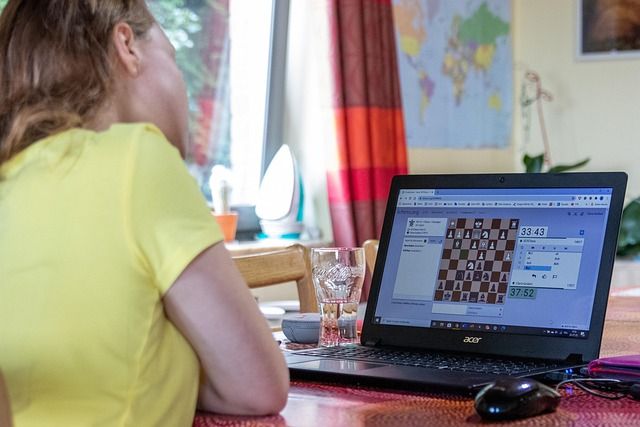
- Online Chess Guide Platforms, time controls, online ratings, fair play, tilt control, and security/privacy.
- Chess Engine Analysis Guide (How to Use Stockfish Properly) Understand engine evaluations, avoid lazy analysis, and turn computer lines into human plans.
- Your First Chess Tournament (A Calm, Practical Survival Guide) Remove the mystery of new rules, real boards, clocks, and scoresheets so you can arrive calm and prepared.
- Competitive Chess Guide Understanding the Elo rating system, FIDE titles (GM, IM), and tournament rules.
- Chess Technology Guide How engines (Stockfish), databases, and AI have revolutionized training and analysis.
- Chess History Guide From its ancient Indian origins (Chaturanga) to the global digital sport we play today.
- Chess Culture Guide Streaming, etiquette, online slang, and the social side of the modern game.
- Chess Fun Facts & Trivia Guide Weird rules, famous moments, chess memes, pop culture, records, and surprising “did you know?” facts — with links to the best pages across ChessWorld.
- Chess Celebrities Guide Famous actors, musicians, scientists, and politicians who love the game.
- Chess Careers Guide Realistic ways to earn from chess: coaching, streaming, writing, content creation, and sponsorship.
- ChessWorld Site Features Guide A guide to our specific tools, correspondence leagues, and community features.
- Play Chess Online vs Computer (Cat AI) Practice your skills instantly against our friendly (or fierce) Cat AI personalities.
🎓 Courses & Resources
Turn structured guidance into steady improvement.

This page contains hundreds of guides, which is great — but also overwhelming. If you'd rather follow one structured path that builds confidence step by step, a complete beginner course can save you months of confusion and random browsing.
To ensure your purchase directly supports my work, please make sure to select the 🔘 'Buy this course' (individual purchase) radio button on the Udemy page. This also grants you lifetime access to the content!
- 🔥 Get Chess Course Discounts Exclusive Udemy coupons for our premium courses: Openings, Tactics, and Strategy.
- Guide to Chess Courses How to choose the right curriculum for your rating level (Beginner vs. Intermediate).
- Popular Chess Topics See what other players are studying right now—trending openings and tactics.
- ChessWorld FAQs & Help Troubleshooting, account help, and answers to common questions about the site.
Frequently Asked Questions (Chess Topics)
Quick answers to the biggest beginner, improvement, strategy, opening, rating, and online chess questions.
The Basics & Rules
What should I study first in chess?
Start with how the pieces move, basic checkmate ideas, blunder prevention, and simple tactics. Most early progress comes from seeing loose pieces, checks, captures, and threats rather than memorising opening theory. Open the Chess for Beginners Guide to follow the step-by-step path from rules to safe, playable games.
Should I memorise chess openings?
No, most beginners improve faster by learning opening principles instead of memorising long lines. Development, central control, king safety, and avoiding wasted tempi matter more than remembering move twenty in a theoretical variation. Open the Opening Principles Guide to see the practical opening checklist that works against most setups.
What are the special moves in chess?
The special moves are castling, en passant, and pawn promotion. These rules shape king safety, pawn play, and many endgame outcomes, so understanding them properly prevents a lot of avoidable confusion. Open the Chess for Beginners Guide to see exactly how each special move works on a real board.
What is the 50-move rule in chess?
The 50-move rule allows a draw claim if no pawn move and no capture has happened for 50 moves by each side. The rule exists to stop endless play in positions where neither player is making real progress toward checkmate. Open the Chess Draw Rules & Stalemate Guide to see where the 50-move rule appears in practical endings.
What is stalemate in chess?
Stalemate is a draw where the side to move has no legal move but is not in check. It often appears when a winning side rushes and removes all moves from the enemy king without delivering mate. Open the Chess Draw Rules & Stalemate Guide to spot the classic stalemate traps before you throw away won games.
What is checkmate in chess?
Checkmate is when the king is under attack and cannot escape, block, or capture the attacking piece. Every real attack must end with a concrete mating net or decisive material gain, not just vague pressure. Open the Checkmate Patterns Guide to recognise the recurring mating shapes that finish games cleanly.
Can you castle out of check?
No, you cannot castle out of check, through check, or into check. Castling is only legal if the king is not currently checked and does not cross or land on an attacked square. Open the Chess for Beginners Guide to see the castling rules broken down in a simple, visual way.
Can a king capture a checking piece?
Yes, a king can capture a checking piece if the destination square is safe. The key test is whether another enemy piece still controls that square after the capture. Open the Threats & Safety Check Guide to see how king captures are judged by square safety, not panic.
What is insufficient material in chess?
Insufficient material means neither side has enough material left to force checkmate. Typical examples include king versus king, king and bishop versus king, and king and knight versus king. Open the Chess Draw Rules & Stalemate Guide to learn which endings are automatically drawn and which still contain danger.
What is algebraic notation in chess?
Algebraic notation is the standard system for recording chess moves using piece letters and board coordinates like e4, Nf3, and Qxd5. It is essential for reading books, PGNs, engine lines, and annotated games. Open the Chess Notation Guide to decode moves, symbols, captures, checks, and promotions quickly.
Improvement & Study
What is the best way to get better at chess?
The best way to improve is to combine tactics training, game analysis, blunder reduction, and focused work on one weakness at a time. Strong progress usually comes from fixing repeat mistakes rather than studying everything randomly. Open the Chess Improvement Guide to build a training path that matches your current level.
How should a beginner study chess?
A beginner should study in a simple order: rules, board vision, blunder prevention, tactics, basic opening principles, and a few essential endgames. That sequence works because tactical awareness and safety checks affect every single game from move one. Open the Chess for Beginners Guide to follow the study order without getting overwhelmed.
How much chess should I study each day?
Even 20 to 45 minutes a day can produce real progress if the study is focused and consistent. Short, repeatable sessions work because pattern recognition grows through frequency and review, not occasional marathon sessions. Open the Chess Training Plans Guide to choose a daily routine you can actually sustain.
How long should I focus on one chess topic?
You should usually stay on one main topic for about two to four weeks if it is a real weakness. Concentrated repetition helps tactical patterns, endgame ideas, and thinking habits become reliable under pressure. Open the Chess Study Plans by Rating Guide to see how focused training blocks are structured.
Why am I not improving at chess?
Most players stall because they repeat the same mistakes, play too fast, and do not analyse losses properly. Improvement slows when study is scattered and the main leak, such as hanging pieces or poor calculation discipline, stays unfixed. Open the Chess Plateau Guide to diagnose the exact bottleneck that is holding your rating back.
Why do I keep blundering pieces in chess?
Most blunders happen because players move before checking for checks, captures, threats, and loose pieces. The LPDO idea, loose pieces drop off, explains why unprotected material becomes a tactical target again and again. Open the Stop Hanging Pieces Guide to train the quick safety scan that cuts out free losses.
How do I stop making one-move blunders?
The fastest way to stop one-move blunders is to pause before every move and scan forcing replies for your opponent. That habit works because most cheap losses come from immediate tactical shots, not deep strategic errors. Open the Chess Mental Checklist Guide to build a move-by-move routine that catches obvious danger earlier.
Should I play blitz if I want to improve?
Blitz can help pattern recognition, but it is not the best main format for improvement. Rapid gives you enough time to calculate, evaluate positions, and test a real thinking process instead of surviving on impulse. Open the Rapid & Classical Chess Strategy Guide to see why slower games teach more lasting skills.
What time control is best for improvement?
Rapid is usually the best practical time control for improvement because it balances thinking time with enough volume to get experience. Formats like 10+0, 15+10, and 20+10 give room for calculation, blunder checks, and post-game learning. Open the Chess Time Management Guide to see how stronger decisions depend on the clock you choose.
How do I analyse my chess games properly?
The best method is to review your game without an engine first, mark the critical moments, and only then compare with computer analysis. This works because self-analysis develops judgement, while engine-first review often hides the reason a move was bad. Open the Chess Game Analysis Guide to follow a clean post-mortem process from blunder to lesson.
Should I use an engine to analyse every game?
No, using an engine on every move straight away often makes players passive and dependent. Engine evaluations are powerful, but they are most useful after you have tried to explain the position in human terms yourself. Open the Chess Engine Analysis Guide to learn how to use Stockfish without making your thinking lazy.
How do I build a chess training plan?
A good chess training plan combines tactics, slow games, analysis, and one targeted weakness such as openings, endgames, or calculation. The strongest plans are simple enough to repeat weekly and specific enough to measure honestly. Open the Chess Training Plans Guide to pick a structure that fits your rating and available time.
Tactics, Calculation & Board Vision
What are the most important chess tactics to learn first?
The most important early tactics are forks, pins, skewers, discovered attacks, double attacks, and simple mating patterns. These motifs appear constantly because they exploit geometry, loose pieces, and overloaded defenders. Open the Chess Tactics Guide to see the tactical patterns that show up in everyday games.
How do I calculate better in chess?
Better calculation starts with finding candidate moves and checking forcing lines first. Checks, captures, and threats narrow the tree and make it easier to compare variations without drifting into random guessing. Open the Chess Calculation Guide to train a structured way of calculating instead of hoping a move works.
What are candidate moves in chess?
Candidate moves are the small set of serious options you compare before choosing a move. This idea matters because strong calculation begins with selection, not with trying to analyse every legal move on the board. Open the Chess Calculation Guide to see how candidate move selection turns chaos into a manageable decision.
What are the 3 C's in chess?
The 3 C's are checks, captures, and threats, the forcing ideas you should scan before quieter moves. They matter because forcing play changes the position immediately and often reveals tactical resources or danger. Open the Checks & Forcing Moves Guide to train the exact scan that switches you into calculation mode.
Why do I miss tactics in chess?
Players miss tactics because they do not notice triggers like loose pieces, king exposure, alignment, and overloaded defenders. Tactical chances rarely appear out of nowhere; they are usually signalled by visible structural or geometric clues. Open the Tactical Alertness Guide to learn the trigger system that helps tactics stand out earlier.
How do I improve my chess visualisation?
Visualisation improves when you practise seeing the board after one, two, and three moves without touching the pieces. This skill supports clean calculation because you cannot compare variations accurately if the board goes blurry in your head. Open the Chess Visualization Guide to train clearer board vision step by step.
What is a combination in chess?
A combination is a forcing sequence, often involving a tactical idea or sacrifice, that leads to a concrete result. The key feature is not beauty but calculation precision and a tactical justification at the end of the line. Open the Chess Combinations Guide to see how checks, captures, and threats connect into real winning sequences.
When should I sacrifice material in chess?
You should sacrifice material only when you gain something concrete such as attack, time, king exposure, or a winning endgame. Sound sacrifices are usually backed by development, piece activity, and a clear target rather than optimism alone. Open the Winning Sacrifices Guide to see when a sacrifice is justified and when it is just hope chess.
How do I spot checkmate patterns faster?
You spot mating patterns faster by learning the recurring king traps that appear across many different openings and middlegames. Back-rank themes, smothered mates, boxed kings, and classic piece sacrifices all rely on repeat geometry around the king. Open the Checkmate Patterns Guide to drill the mating shapes that convert attacks into points.
What is tactical alertness in chess?
Tactical alertness is the habit of recognising when a position demands calculation right now. It usually comes from noticing instability such as loose pieces, exposed kings, alignments, and sudden forcing opportunities. Open the Tactical Alertness Guide to learn exactly what should trigger a deeper calculation scan.
Strategy, Planning & Decision Making
What is the best chess strategy?
The best general strategy is to improve your pieces, limit counterplay, and target real weaknesses in the opponent's position. Good strategy is built on imbalances like king safety, activity, pawn structure, and space, not on vague advice to just attack. Open the Chess Strategy Guide to see how plans grow from the actual features of a position.
What is positional chess?
Positional chess is the art of building long-term advantages through structure, squares, coordination, and piece improvement. It matters because many games are decided before tactics appear, when one side has already created the better position. Open the Positional Chess Guide to see how quiet moves create lasting pressure.
What are imbalances in chess?
Imbalances are the meaningful differences between the two positions, such as bishop versus knight, space advantage, weak squares, or safer king. They matter because they tell you what kind of plan makes sense and what kind of position you should aim for. Open the Chess Imbalances Guide to turn positional differences into a practical plan.
What is prophylaxis in chess?
Prophylaxis is the art of preventing the opponent's idea before it becomes a real problem. Many strong strategic moves look quiet because they stop a pawn break, piece route, or attacking plan one move before it matters. Open the Chess Prophylaxis Guide to learn how prevention creates control without needing fireworks.
What is initiative in chess?
The initiative means your moves are creating threats that force the opponent to react. Initiative can outweigh material because time, coordination, and king safety often decide whether the opponent gets to stabilise at all. Open the Chess Initiative Guide to see how momentum becomes an attack or a winning transition.
How do I make a plan in chess?
You make a plan by evaluating the position, identifying the main imbalance, and improving the pieces that support that idea. Strong planning is concrete enough to guide your next few moves but flexible enough to change if tactics appear. Open the Chess Middlegame Planning Guide to see how plans are chosen when there is no immediate tactic.
What is the difference between tactics and strategy in chess?
Tactics are short forcing sequences that win material, mate, or solve immediate problems, while strategy is the long-term process of improving the position. The two are connected because strategy creates the conditions where tactics become available. Open the Chess Skills Guide to see how calculation and planning support each other instead of competing.
How do I find strong moves in chess?
Strong moves usually do more than one job at once, such as improving a piece while defending a weakness or restricting counterplay. Multipurpose moves are powerful because they increase your position without creating new problems elsewhere. Open the Strong Moves Guide to see how better decisions come from combining aims in a single move.
What is hope chess?
Hope chess is making a move because you hope the opponent will miss the reply rather than because the move actually works. It loses games because it replaces calculation and prevention with wishful thinking. Open the Stop Playing Hope Chess Guide to replace optimistic guesses with disciplined opponent-aware thinking.
How do I know when to simplify in chess?
You usually simplify when trading reduces the opponent's counterplay or converts your advantage into an easier win. Simplification is strongest when the resulting ending or reduced position still favours your structure, king, or active pieces. Open the Chess Simplification Guide to see when exchanges help and when they throw your edge away.
Openings & Early Middlegame
What is the best chess opening for beginners?
The best beginner opening is one that follows basic principles and leads to understandable middlegames. Simple openings with clear development, central control, and safe king placement are usually better than sharp theory-heavy systems. Open the Chess Opening Repertoire Guide to choose something practical for both White and Black.
Why do I get bad positions out of the opening?
Most bad openings come from neglecting development, moving the same piece too often, ignoring the centre, or delaying king safety. Early inaccuracies matter because they give the opponent easy activity before the middlegame has even begun. Open the Chess Opening Mistakes Guide to catch the habits that create passive positions early.
What are opening principles in chess?
Opening principles are the practical rules of developing pieces, fighting for the centre, safeguarding the king, and avoiding wasted time. They remain useful because most club games leave theory quickly and are still decided by these basics. Open the Opening Principles Guide to see the rules that keep your first ten moves healthy.
Should I play gambits as a beginner?
Gambits can be useful for learning initiative and attacking play, but they should not replace sound opening habits. A gambit only makes sense when piece activity, king exposure, or development give enough compensation for the pawn. Open the Chess Gambits Guide to see which gambits teach good practical attacking ideas and which are mostly traps.
Do openings matter below 1200?
Openings matter, but not in the sense of memorising deep theory below 1200. What matters most is reaching playable positions without blundering, falling behind in development, or exposing your king. Open the Opening Reboot Guide to build an opening approach based on plans instead of theory panic.
How do I build a simple opening repertoire?
A simple repertoire is built by choosing a few structures and setups you can understand and repeat. Repertoires become practical when the plans are familiar and the maintenance cost stays low. Open the Chess Opening Repertoire Guide to choose openings that fit your style without drowning in memorisation.
When does the opening end in chess?
The opening usually ends when both sides have largely completed development and the main struggle shifts toward plans, pawn breaks, and piece improvement. That transition often happens around move 8 to 15, but the exact moment depends on the position. Open the Opening to Middlegame Transition Guide to see how to recognise when the real strategic battle begins.
Endgames, Ratings & Online Chess
How important are endgames in chess improvement?
Endgames are extremely important because they teach calculation, king activity, pawn play, and conversion technique. Even simple endgames sharpen decision making in earlier phases because you start to value structure and simplification correctly. Open the Chess Endgames Guide to learn the practical endings that show up most often.
What endgames should beginners learn first?
Beginners should first learn basic king and pawn endings, opposition, simple promotion races, and a few core rook endgame ideas. These endings matter because they appear frequently and teach the value of activity and tempi. Open the Chess Endgames Guide to focus on the endings that bring the biggest practical payoff first.
Why are chess ratings different on different websites?
Ratings differ across websites because each platform has its own player pool, starting level, and rating formula. A number on one site does not map directly to the same playing strength on another because the environment and distribution are different. Open the Online Chess Guide to compare how ratings behave across modern platforms.
What is a good chess rating?
A good chess rating depends on your pool, your goals, and how long you have been studying seriously. Rating labels only make sense relative to a system, since online, national, and FIDE numbers do not measure the same field in the same way. Open the Competitive Chess Guide to place ratings, titles, and benchmarks in proper context.
Is 90 percent accuracy cheating in chess?
No, high accuracy by itself does not prove cheating. Short games, one-sided positions, forcing tactical sequences, and simple technical wins can all produce very high engine agreement. Open the Chess Engine Analysis Guide to see why accuracy must be interpreted with position complexity, not panic.
What is every chess title?
The main FIDE titles are Candidate Master, FIDE Master, International Master, and Grandmaster, with equivalent women's titles as well. Titles are earned through rating thresholds and, for the top titles, norm performances in serious events. Open the Competitive Chess Guide to see how titles, ratings, and tournament standards fit together.
Should I play online chess or over the board to improve?
Both help, but online chess is usually easier for regular volume while over-the-board chess teaches deeper concentration and a more serious game rhythm. Improvement is strongest when online play is paired with careful analysis and occasional slower serious games. Open the Online Chess Guide to compare the strengths and traps of each environment.
How do I stop tilting after a bad chess loss?
The best way to stop tilt is to pause, reset emotionally, and separate one painful result from your actual long-term level. Tilt causes rushed games, impulsive rematches, and further rating damage because frustration overrides judgement. Open the Tilt & Emotional Control Guide to follow a reset process that stabilises your play after losses.
or create a ChessWorld username
Already have an account? Log in